
Website Development in New Jersey: The Essential Guide to Crafting Your Digital Presence
At Naveed Ashfaq Agency, we understand the importance of building a high-quality, functional, and visually appealing website for businesses. Whether you’re running a startup, managing a small business, or working with an enterprise, your website is often the first point of contact for potential clients. In fact, it’s more than just a digital brochure; it’s a virtual storefront and, ultimately, a key to your brand’s success. A well-designed website can attract visitors and keep them engaged, while, on the other hand, a poor design can quickly drive them away. Therefore, it’s crucial to ensure that your website is both functional and visually appealing.

When considering website development, it’s essential to understand that the process is comprehensive, involving building, designing, and maintaining the site. The significance of a well-designed website goes beyond aesthetics; it is an integral part of a digital strategy that helps engage with your audience, improve user experience (UX), and generate valuable leads. This post delves into the process of website development, key stages involved, and important elements to consider.
What is Website Development?
The process of creating a website includes both technical and creative tasks that combine to make a site functional, interactive, and visually appealing. From basic, static pages to complex, dynamic web applications, the goal is to ensure the website meets the needs of users while supporting the goals of the business. Key elements such as web design, front-end and back-end development, web hosting, and domain registration all play a significant role in this process. Developers must focus on security, functionality, performance, and scalability to deliver a solid final product.
The Stages of Building a Website
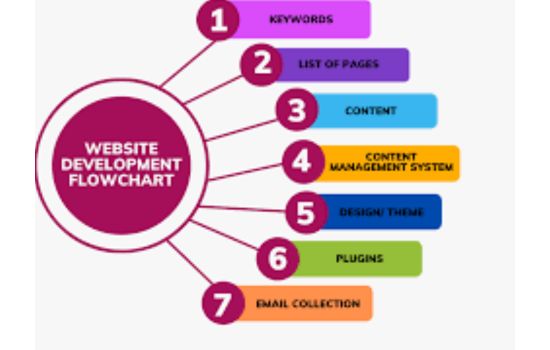
Crafting a successful website requires careful planning and strategic execution. Here are the typical stages involved in creating a robust online presence:
1. Discovery and Planning
Before diving into design and development, the first step is understanding the purpose of the site. During this stage, it’s essential to define the target audience, identify key features, and establish goals. Important questions to ask include:
- What are the objectives of the website?
- Who will be the primary audience?
- What kind of content will the site feature?
- What functionalities are necessary (e.g., e-commerce, blogs, contact forms)?
The discovery and planning phase ensures the foundation is set for the rest of the project. Designers and developers work closely with clients to determine the scope, create timelines, and plan the architecture of the site, ensuring the final product will align with both business and user needs.
2. Design Phase

Once the planning is complete, attention turns to the design. During this phase, the website’s structure and appearance are visualized through wireframes, mockups, and prototypes. This process typically involves:
- Wireframing: Creating a basic layout to show how content and navigation will be arranged.
- UI/UX Design: Designing a user interface (UI) and user experience (UX) that makes the site intuitive and easy to navigate.
- Responsive Design: Ensuring the site looks great on all devices, from mobile phones to desktop computers.
While aesthetics are important, the design must also prioritize functionality and navigation. It’s about creating a seamless, visually pleasing experience that keeps visitors engaged.
3. Front-End Development
This phase is all about the visual components of the website—the elements users interact with directly. Front-end development is done using HTML, CSS, and JavaScript. Key tasks include:
- HTML: Provides the structure for the site, defining headings, paragraphs, images, links, etc.
- CSS: Controls the site’s appearance, setting colors, fonts, and layout.
- JavaScript: Adds interactivity, such as animations, dynamic content updates, and form validation.
Ensuring the front end is clean, engaging, and responsive is critical for delivering an optimal user experience.

4. Back-End Development
Behind the scenes, back-end development builds the server-side structure that powers the website’s functionality. This stage involves working with databases, server configuration, and processing logic. Common technologies used for this phase include:
- Server-Side Languages: PHP, Python, Ruby, and Node.js.
- Databases: MySQL, PostgreSQL, MongoDB, among others.
- Server Hosting: Hosting platforms like AWS, Google Cloud, and Microsoft Azure are frequently chosen based on the project’s needs.
The back-end ensures that the website functions correctly, handles requests, stores and retrieves data, and serves content seamlessly to users.

5. Testing
Before launching, thorough testing is essential to catch any potential issues. This stage includes testing for:
- Functionality: Verifying that all features work correctly (e.g., forms, shopping carts).
- Compatibility: Ensuring the site functions well across different devices, browsers, and operating systems.
- Performance: Assessing speed and load times to ensure a quick and smooth user experience.
- Security: Testing for vulnerabilities to prevent breaches or attacks.
Testing helps identify any problems before the website goes live, ensuring users have a smooth, trouble-free experience.
6. Deployment
Deployment involves transferring all files, databases, and configurations to a live server. During this phase, the domain name is configured, and final checks are made to ensure everything works as expected. It’s essential to deploy the site with minimal downtime or disruption.
Once deployed, the website is officially live and accessible to the public.
7. Ongoing Maintenance
Website development doesn’t end with deployment. Regular updates and maintenance are required to keep the site running smoothly. Key maintenance tasks include:
- Content Updates: Adding new information, blog posts, product details, etc.
- Software Updates: Ensuring that plugins, themes, and CMS systems are up to date to prevent security risks.
- Security Monitoring: Continuously tracking the website for potential threats.
- Performance Optimization: Improving loading times, reducing errors, and enhancing user experience.
Maintenance ensures the website stays functional, secure, and current over time.

Key Features of a Successful Website
To build a website that supports your goals, certain features and principles must be incorporated:
1. Clear Navigation
A user-friendly navigation structure is vital. A well-organized website with a clear menu helps visitors find what they need quickly and easily, enhancing their overall experience.
2. Mobile Optimization
As mobile browsing increases, it’s crucial for the site to be mobile-friendly. A responsive design ensures that the website automatically adjusts to various screen sizes, offering a consistent experience across devices.
3. Fast Loading Speed
Website performance directly impacts user satisfaction. Slow websites can frustrate visitors, leading to higher bounce rates. Optimizing images, removing unnecessary scripts, and choosing the right hosting solution can enhance speed.
4. Strong Calls to Action (CTAs)
Effective CTAs guide visitors to take action, whether it’s making a purchase, subscribing to a newsletter, or getting in touch. A website should use well-placed, compelling CTAs to move users along their journey.
5. SEO Optimization
For the website to attract organic traffic, SEO must be implemented. Optimizing for search engines includes using the right keywords, creating high-quality content, and ensuring proper meta tags and site structure.

6. Consistent Branding
Branding should be consistent across the website, reinforcing your business’s identity. Logos, color schemes, and typography should all reflect your brand values and message.
Why Website Development is Crucial for Business Success
The impact of having a well-developed website on business growth is substantial. A professionally built website offers numerous advantages:
- Establishing Credibility: A sleek, functional website conveys professionalism, making customers more likely to trust your business.
- Generating Leads: Your website acts as a tool for lead generation, capturing customer information through forms or sign-ups.
- Global Reach: A website opens up opportunities for your business to reach a global audience, expanding your customer base.
- Building Engagement: Through blogs, forms, and customer service portals, your website creates avenues for ongoing communication with your audience.
Conclusion
Crafting a successful website involves much more than just design. It’s a multi-phase process requiring strategic planning, development expertise, and attention to detail. Whether you’re a small business or a large enterprise, ensuring that your website is user-friendly, fast, secure, and mobile-responsive is crucial for success in today’s digital world. As the digital landscape continues to evolve, investing in high-quality website development will ensure your business remains competitive and engaging.
It typically takes between 2-4 weeks for simple websites and 2-6 months for more complex ones, depending on the scope and features.
Costs range from $1,000 to $5,000 for basic websites, while more advanced projects with custom features may cost $10,000 or more.
Yes, regular updates are necessary for security, content relevance, and ensuring optimal performance.